Being Human: A Black Mental Health Project for
Mental Health Awareness Month
WRITER’S STATEMENT (ABOUT THE PROJECT)
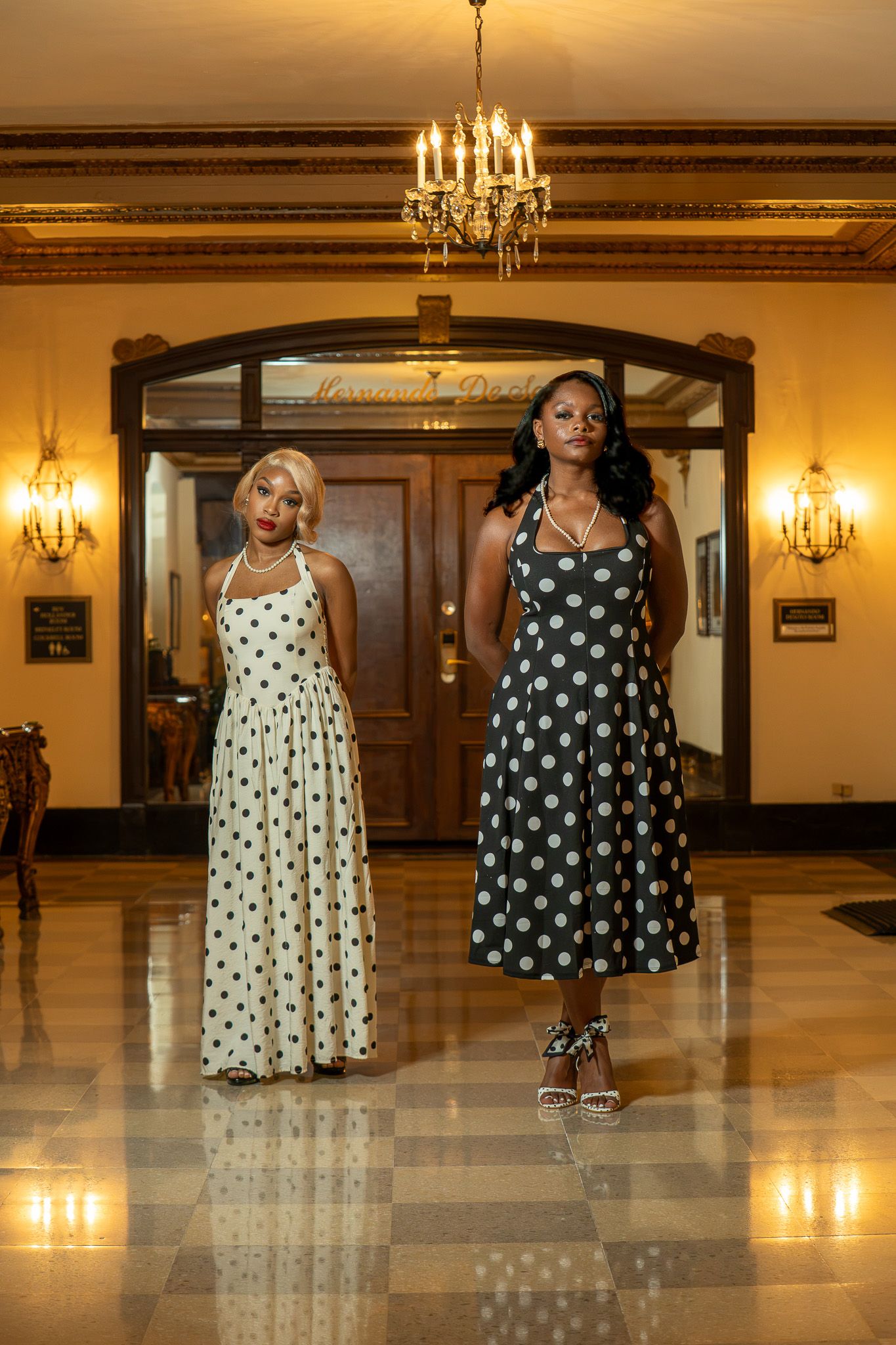
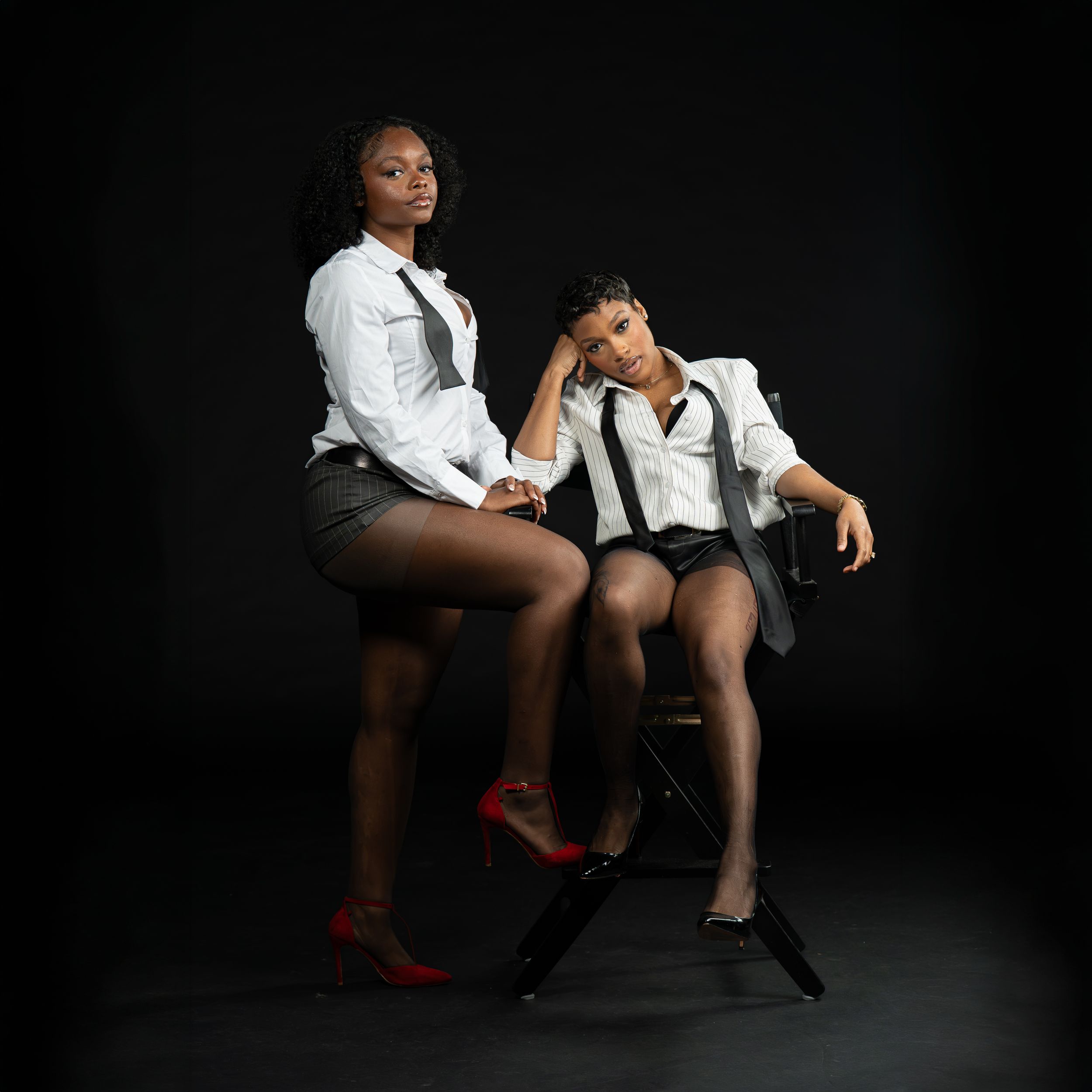
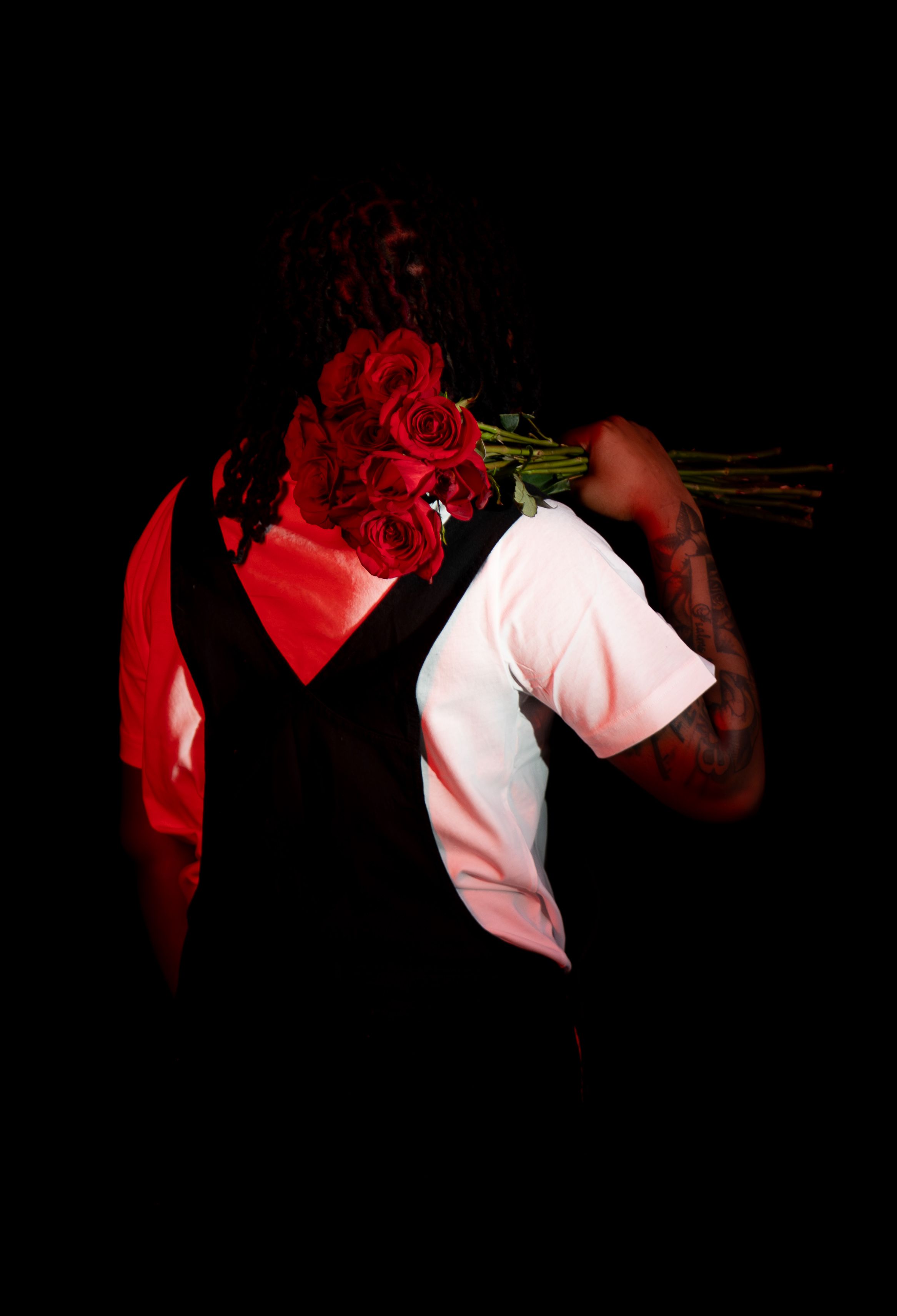
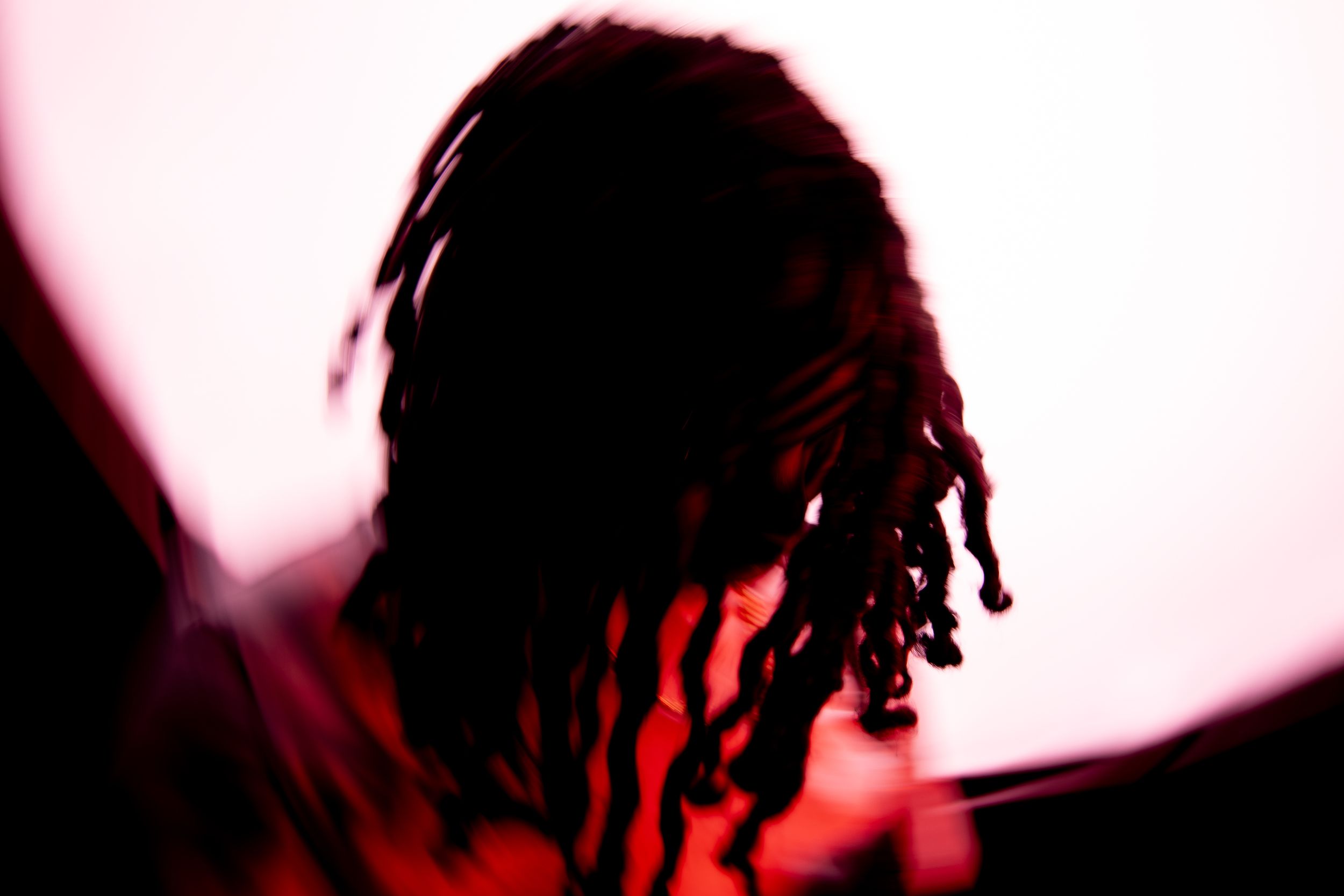
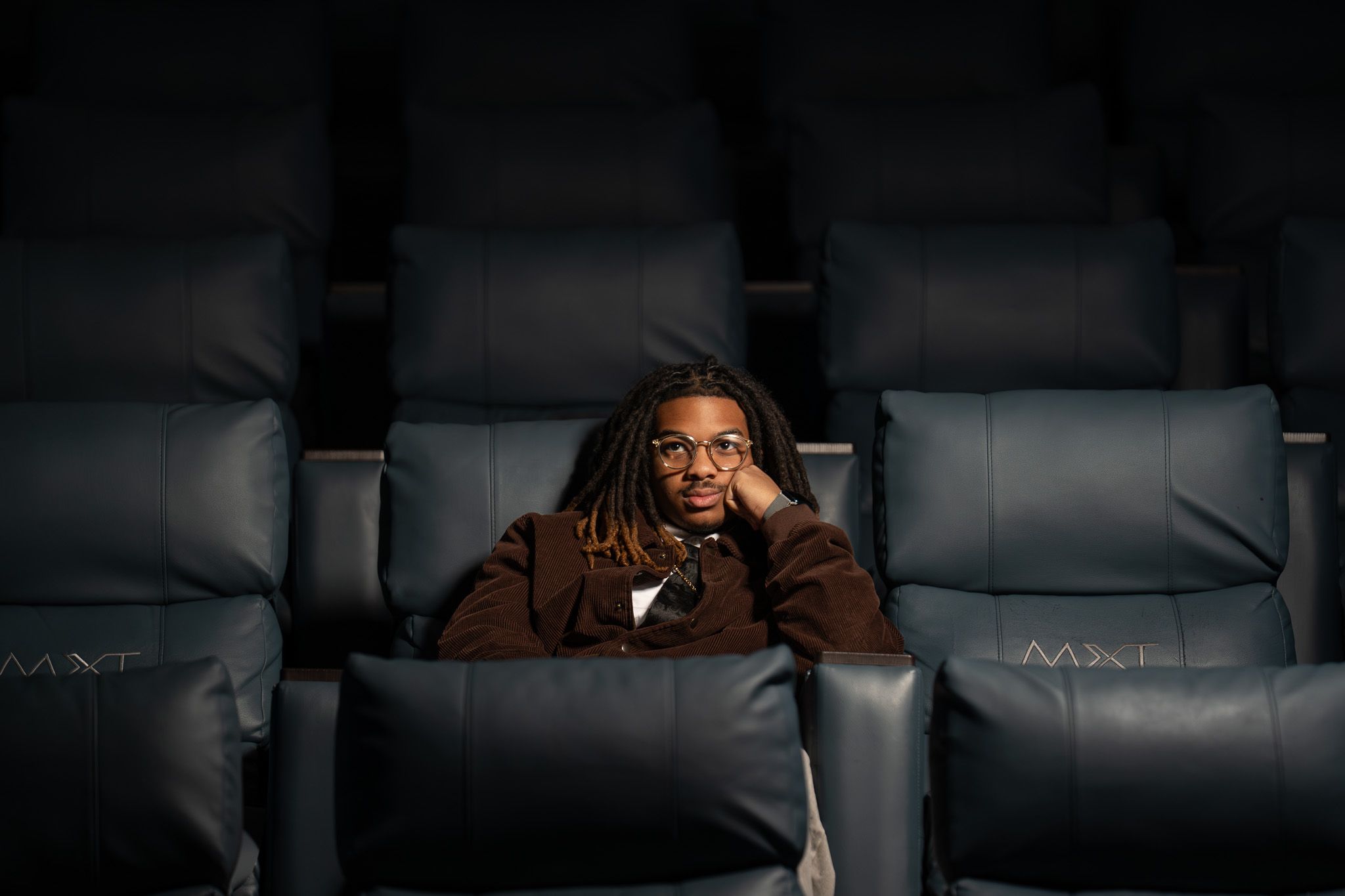
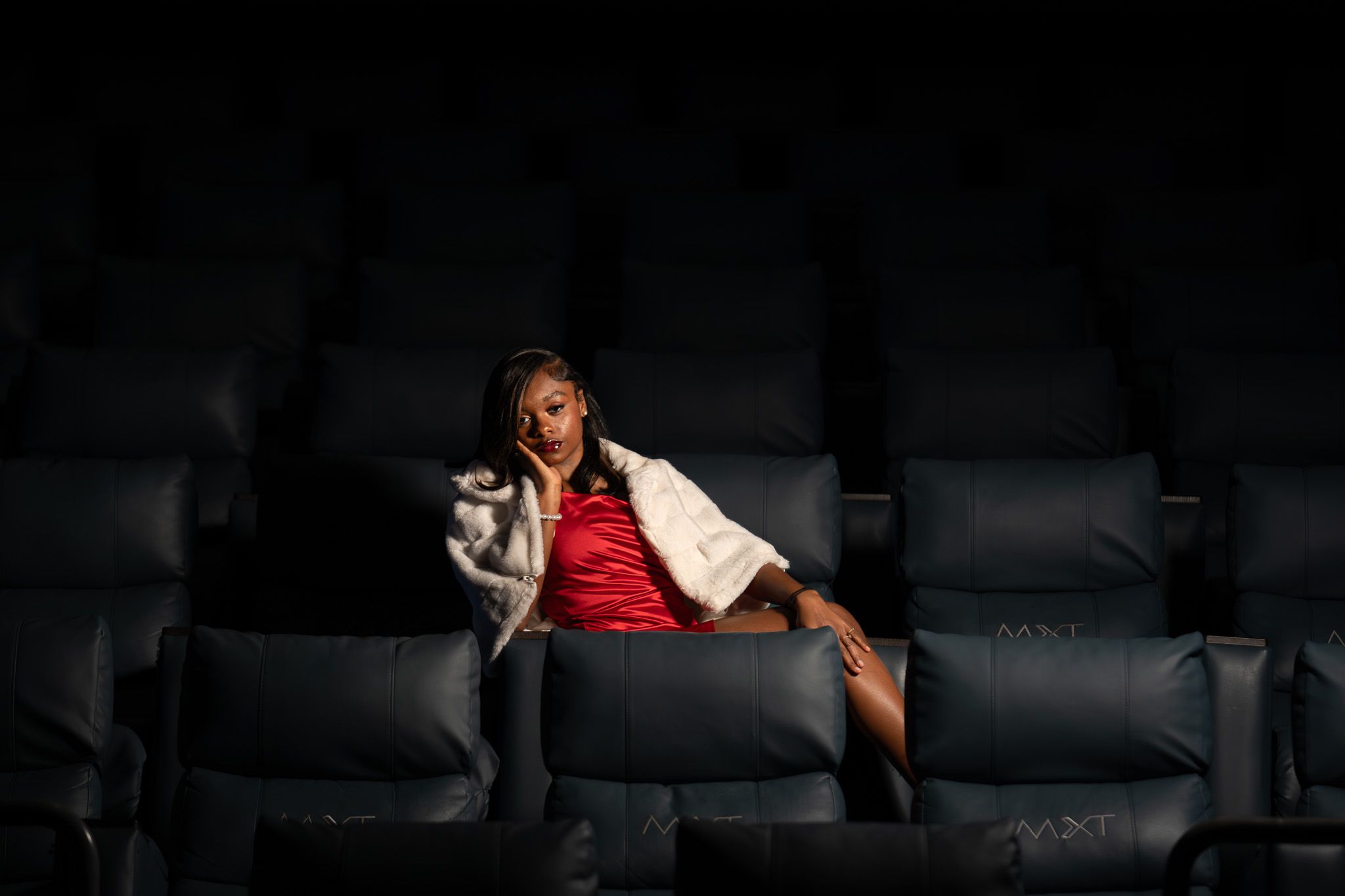
This project highlights Black men and women in moments of peace, vulnerability, and individuality. I wanted to create a space where everyone felt safe to slow down and be themselves. No pressure. No walls. Only people showing the parts of their lives that keep them grounded. This idea connects to research surrounding stress within the Black community. The American Psychological Association has found that experiencing discrimination is associated with “higher reported stress and poorer reported health.” This influenced my decision to focus on peace instead of only showing struggle. I wanted to show what it looks like when people have space to breathe, rest, and exist without outside pressure.
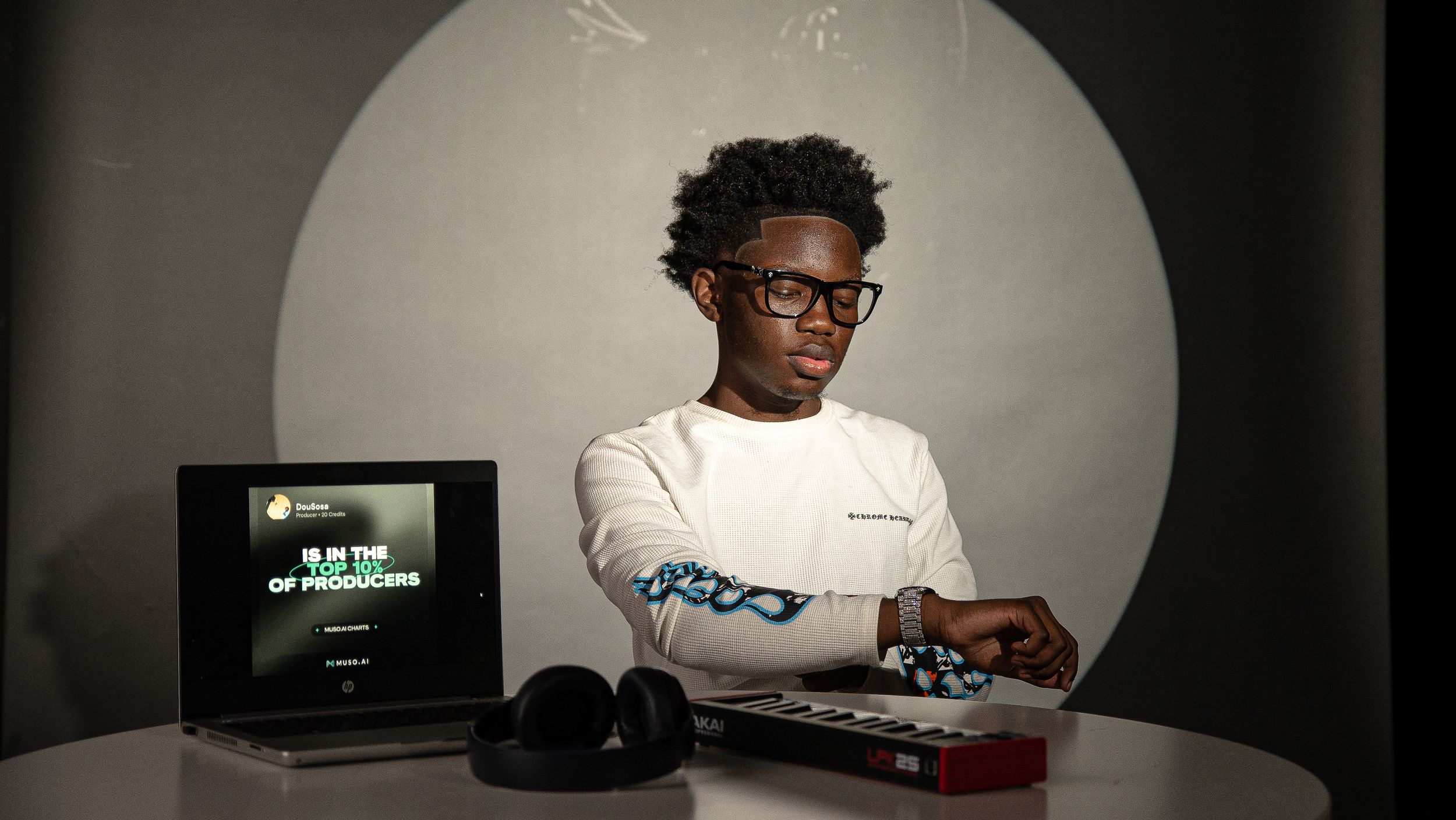
The work follows two perspectives. Men and women express authenticity in different ways. Every scene is about small actions in everyday life which support mental health. Real routines. Personal Care Products. Laughter, real and organic. Research into Black mental health also shows the significance of gender and personal experience in emotional health. This helped inform my decision to show both Black men and women, while still treating each person as just that. The message remains the same, even if the perspectives differ. These are the human condition times.
The purpose is to study confidence, identity, vulnerability, and the parts of yourself you learn to protect. According to the National Alliance on Mental Illness, Black Americans face barriers to mental-health care connected to stigma, discrimination, mistrust, and access to appropriate care. This became important to the direction of my project because it made me think about what people deal with privately and what happens when emotions remain unspoken.
The project also serves as the starting point for a thriller centered on Black mental health. These images establish peace before the film explores what happens when that peace begins to disappear. They set the tone and help build support for the story. They also help start conversations and raise funds for a film exploring the pressure, fear, vulnerability, and inner conflict many people carry in silence.
Works Cited
American Psychological Association. “Discrimination: What It Is and How to Cope.” American Psychological Association.
National Alliance on Mental Illness. “Black/African American.” NAMI.
“Where I’m Livin’ and How I’m Feelin’: Associations Between Perceived Community Stress and Mental-Emotional Health Among Black American Men and Women.” PubMed, 2024.
The Yearbook project
WRITER’S STATEMENT (ABOUT THE PROJECT)
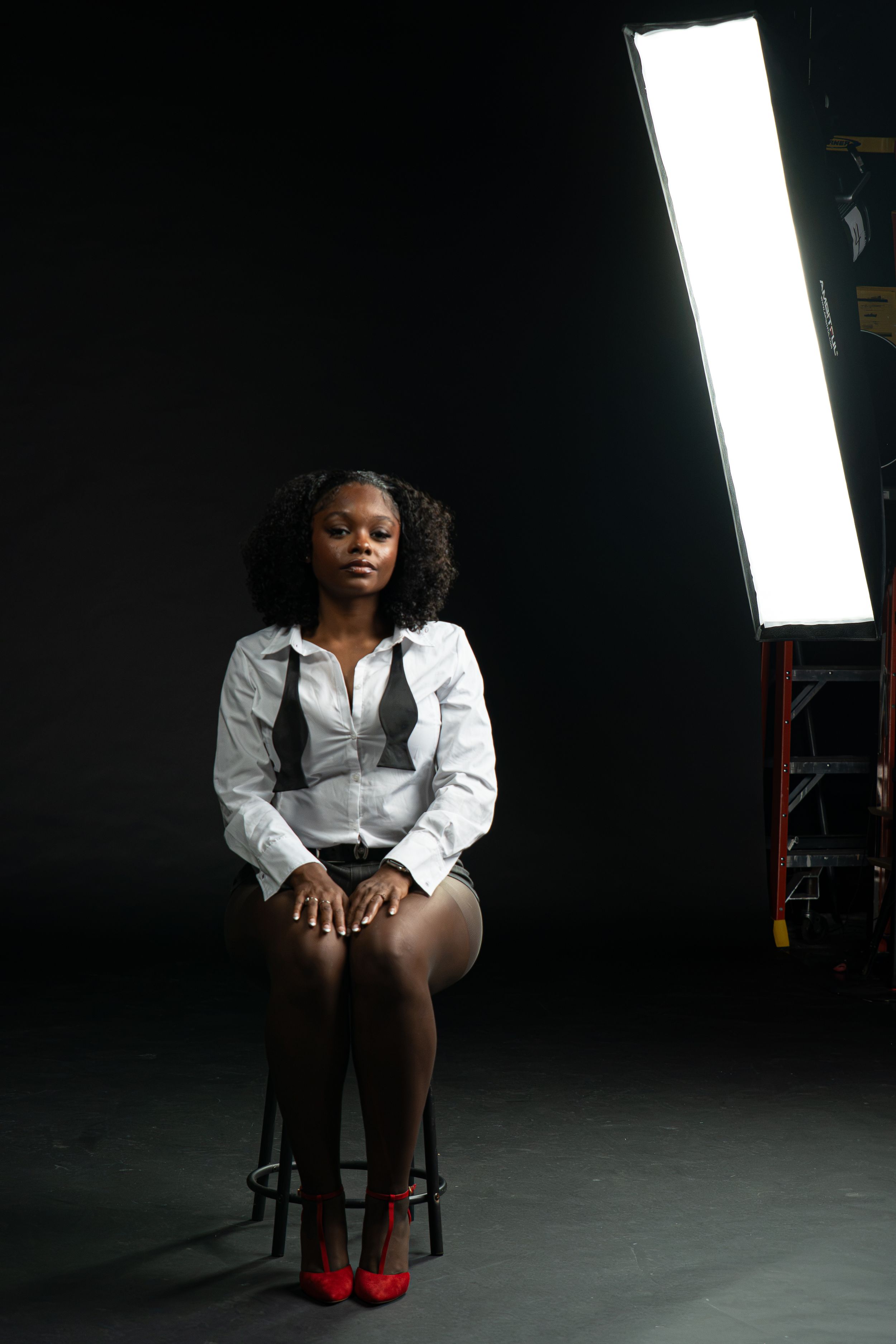
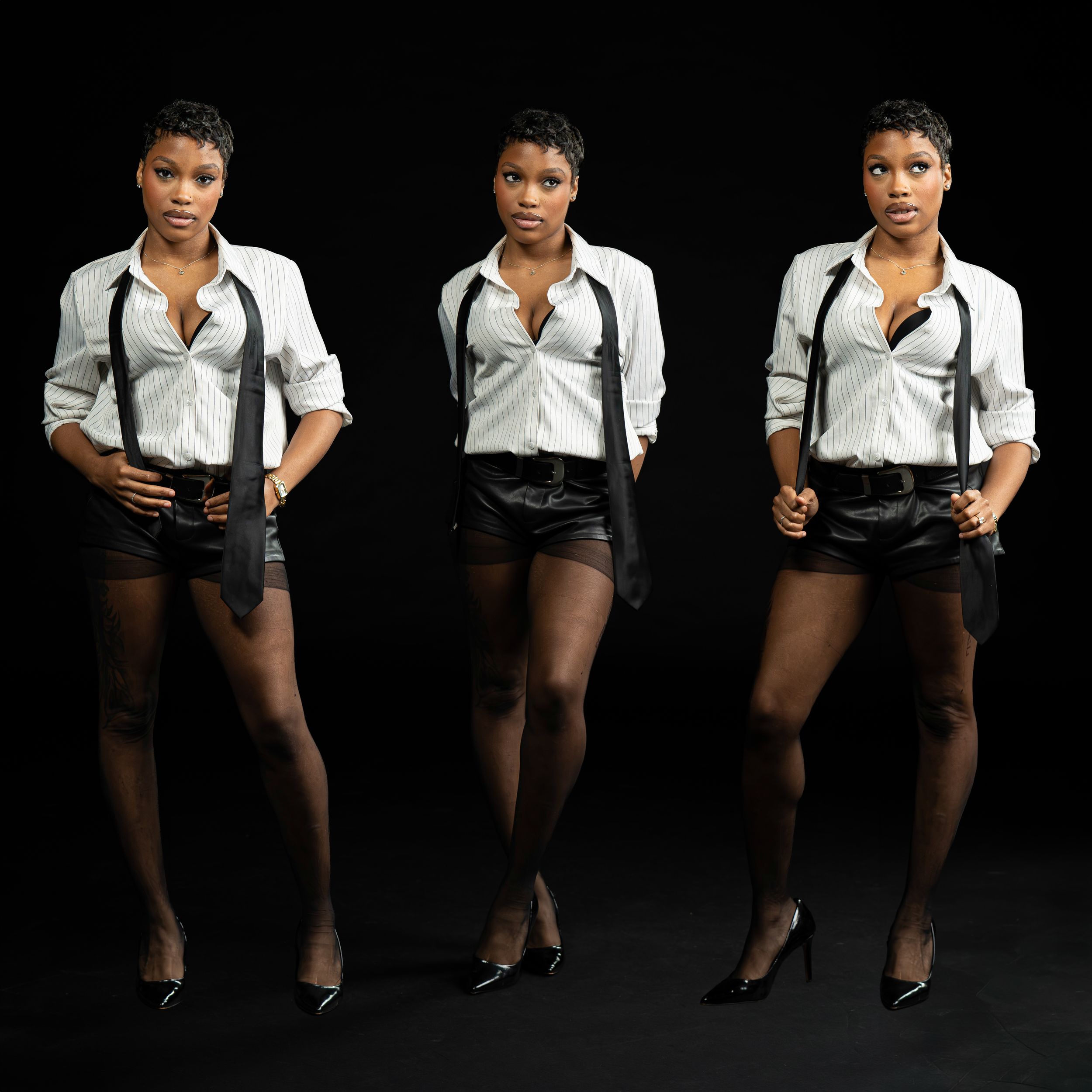
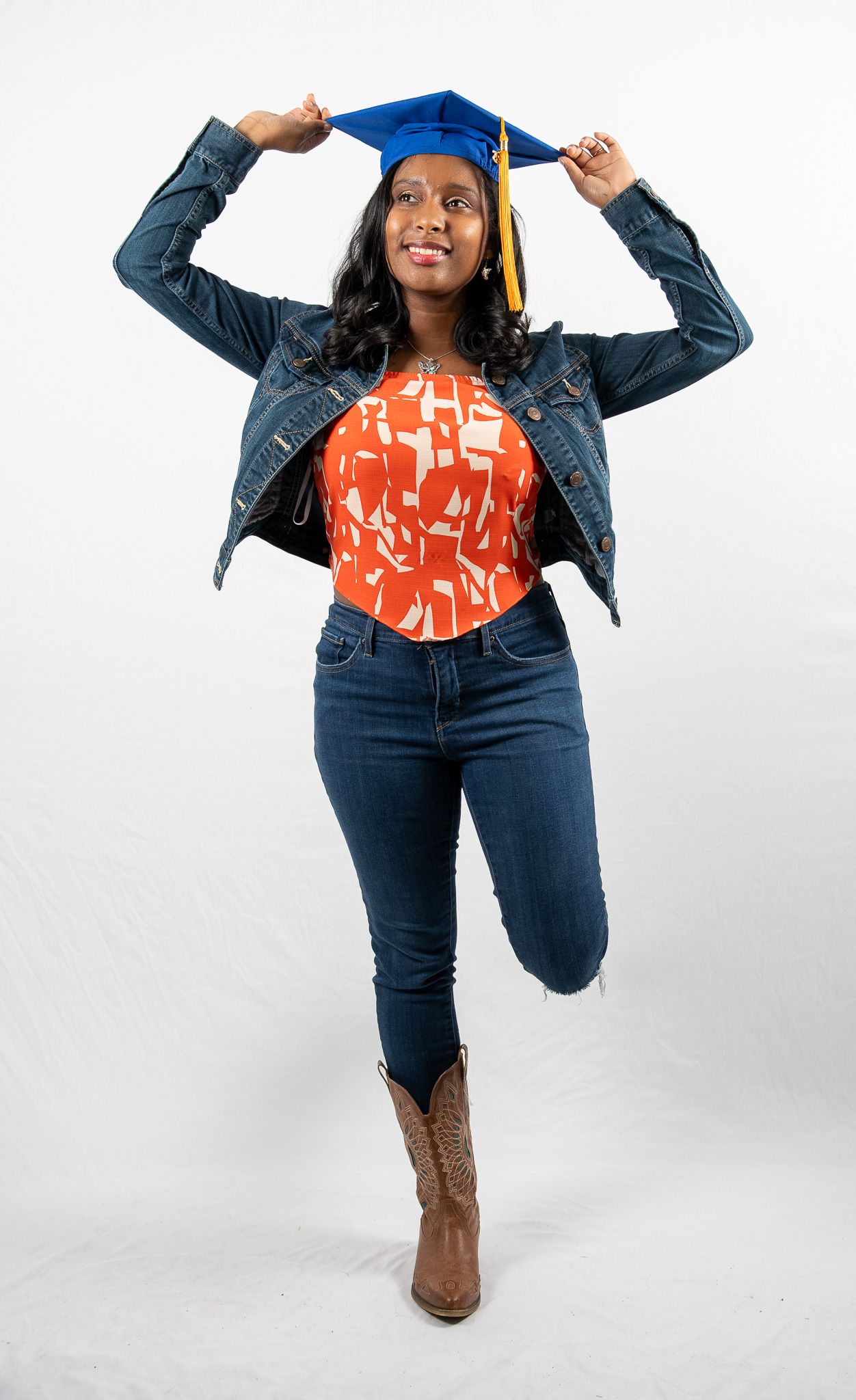
Identity is the center of this project. Identity is the mix of habits, style, emotion, and choices that shape who you are. It is not one look or one moment. It changes every day. This project focuses on the small actions that show identity without forcing someone into one role. Identity shows up in small choices, habits, reactions, and body language. It is the part of you that comes through without effort. It is not about having the perfect pose. It is about how you respond to the world around you.
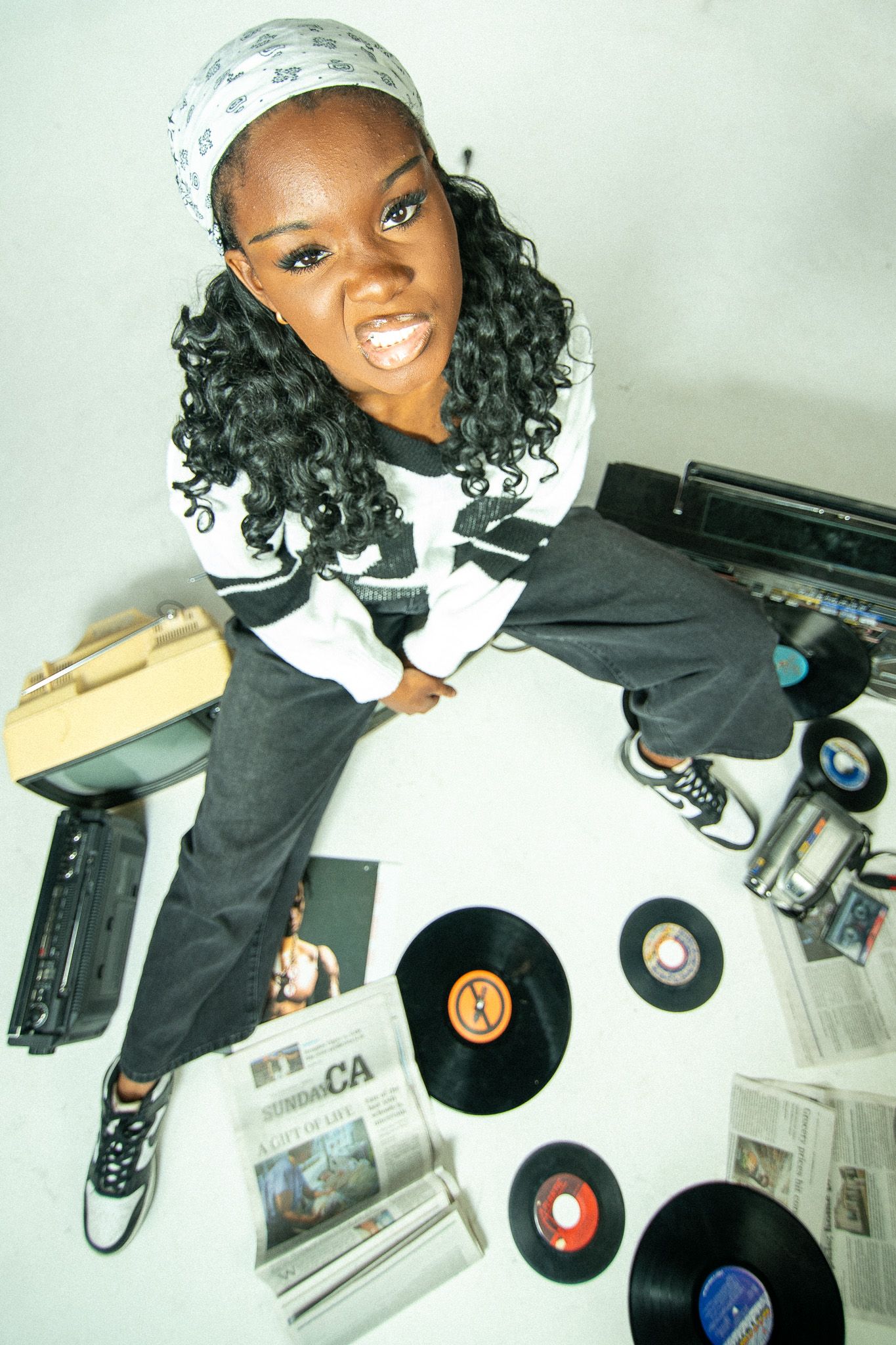
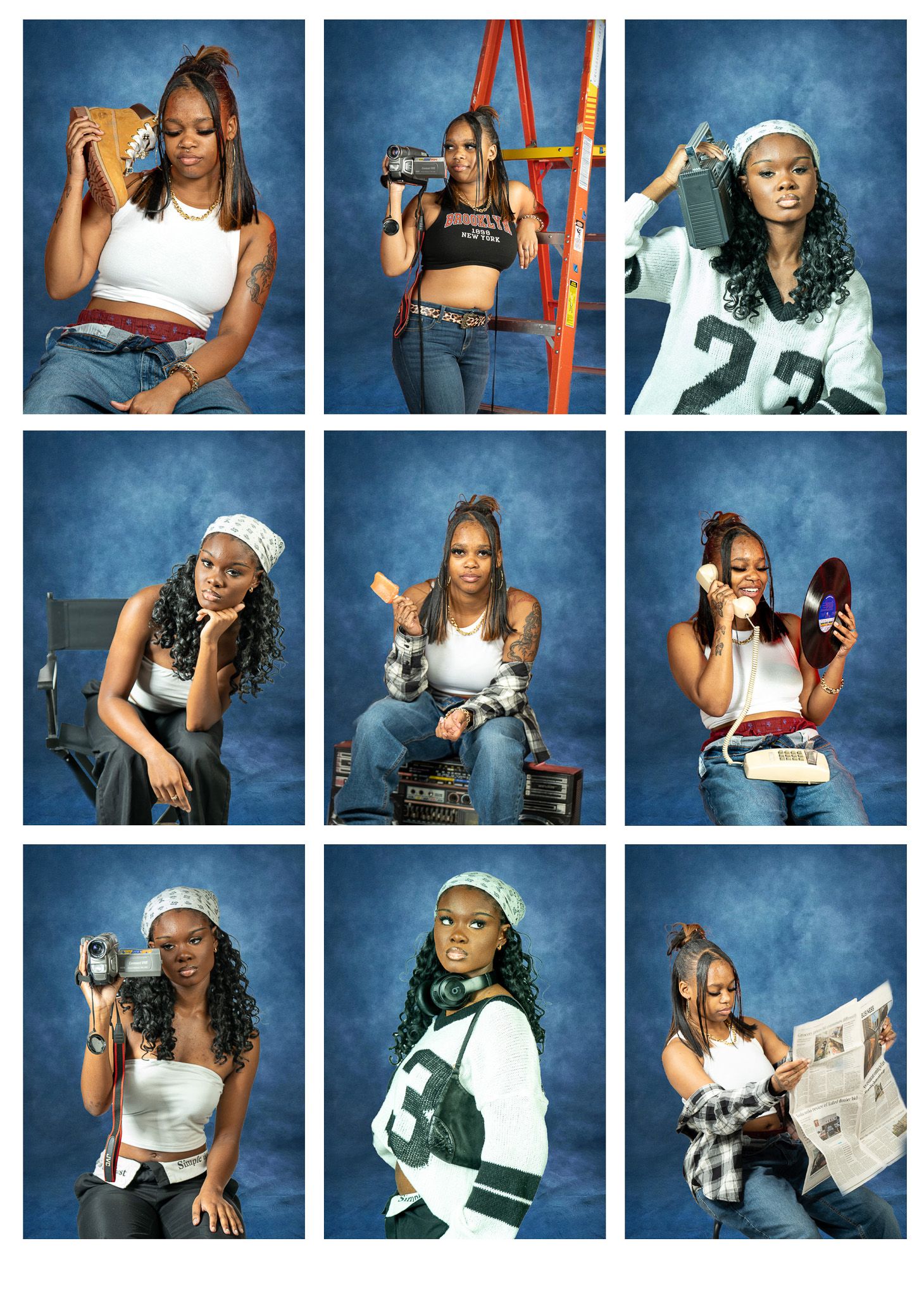
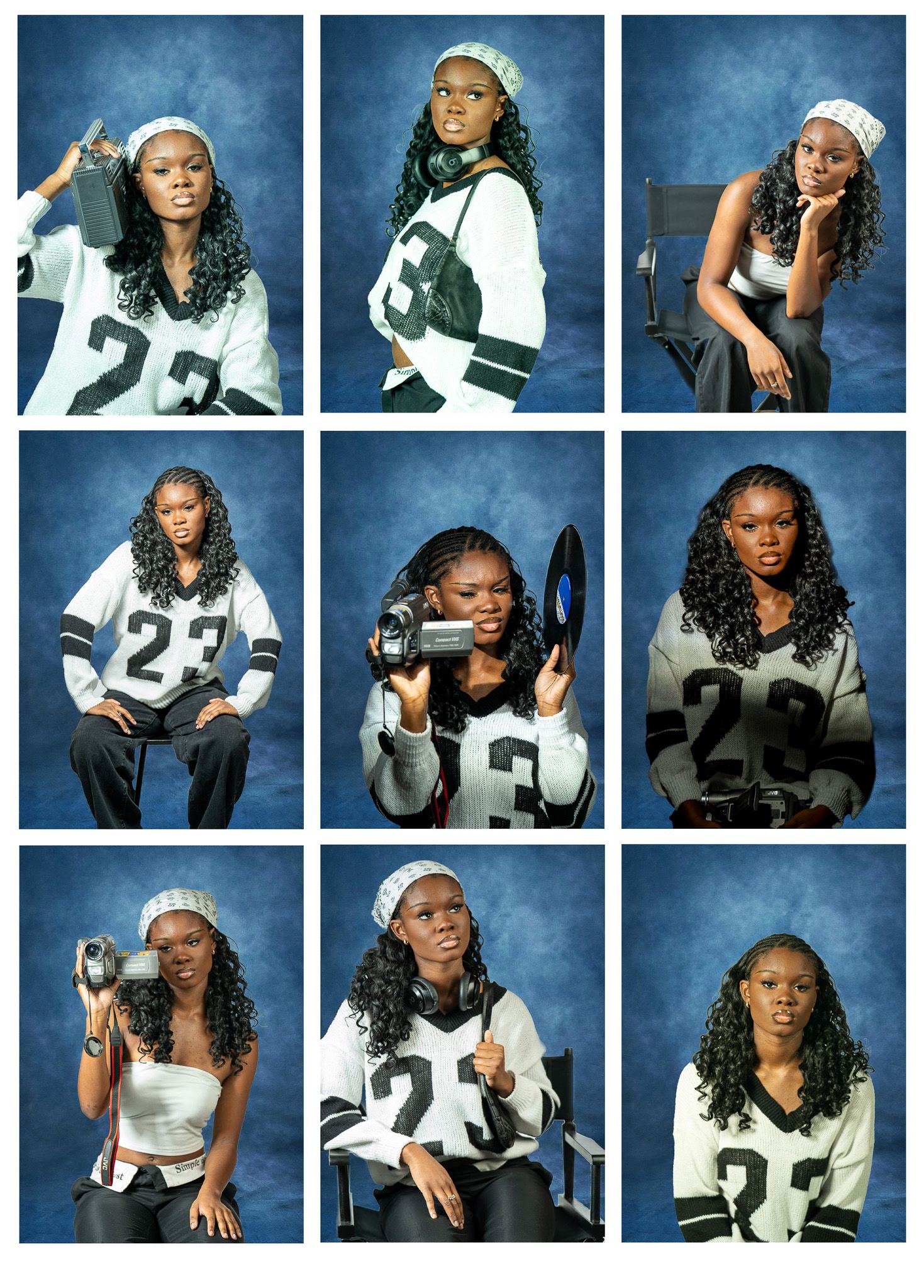
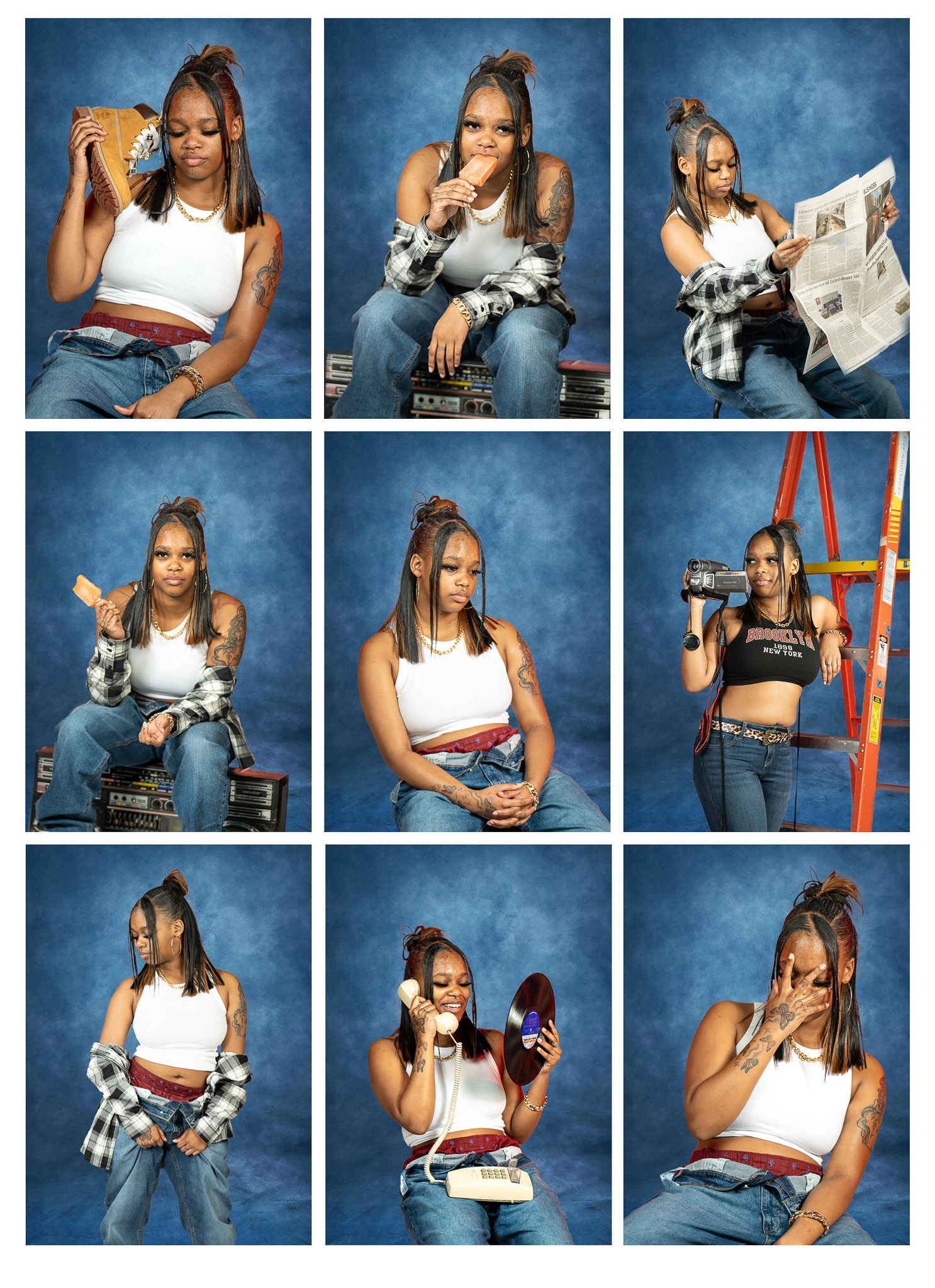
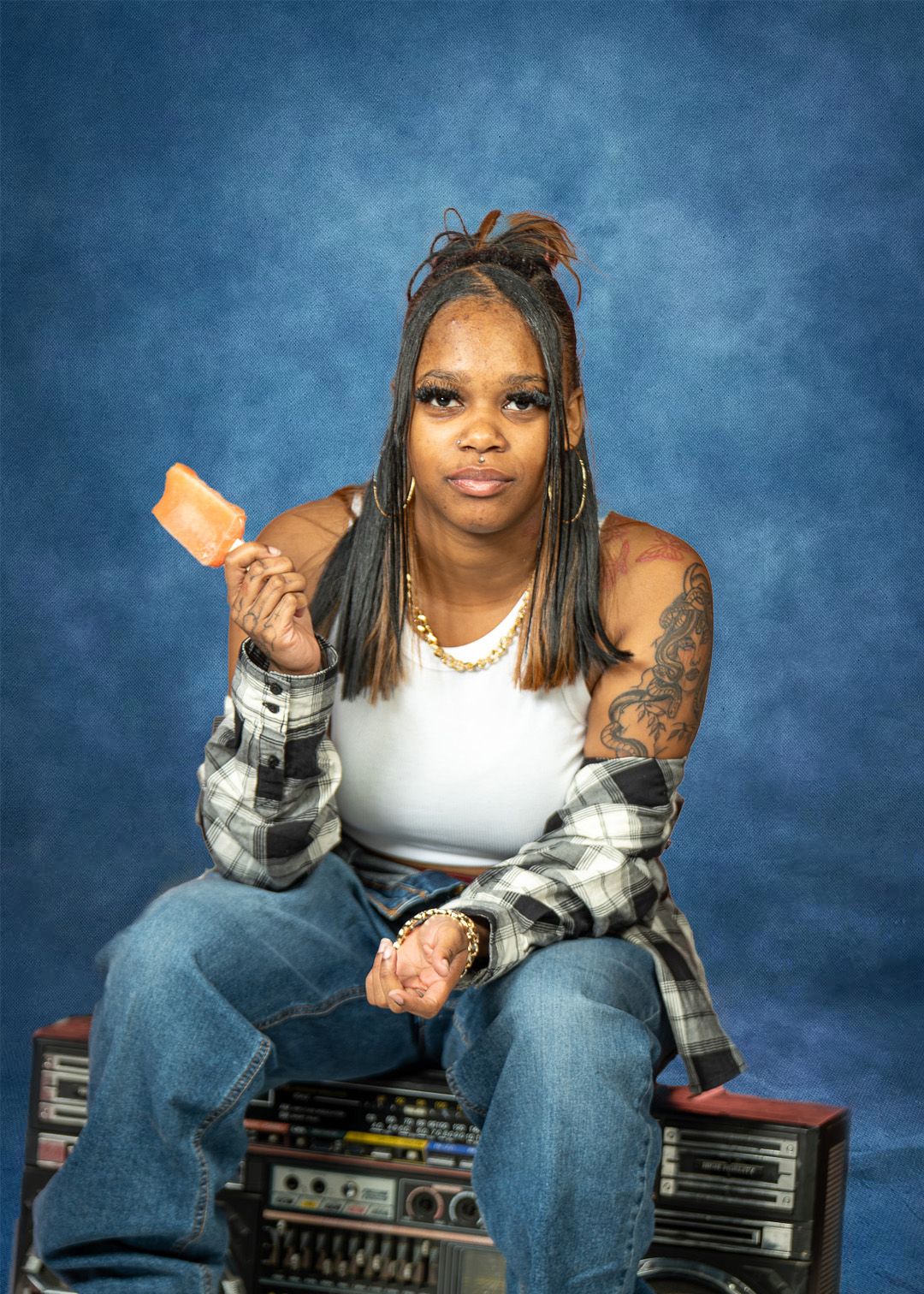
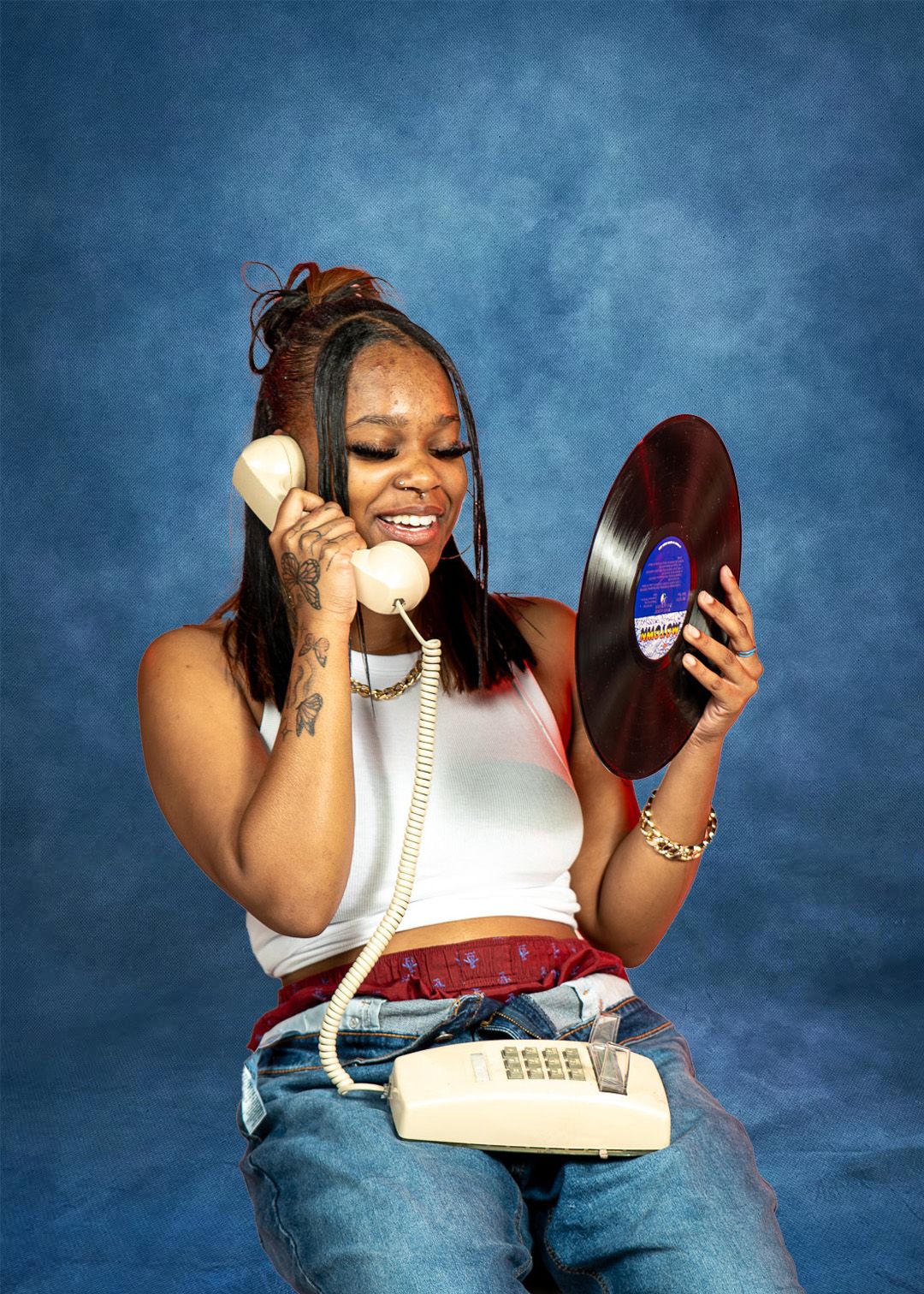
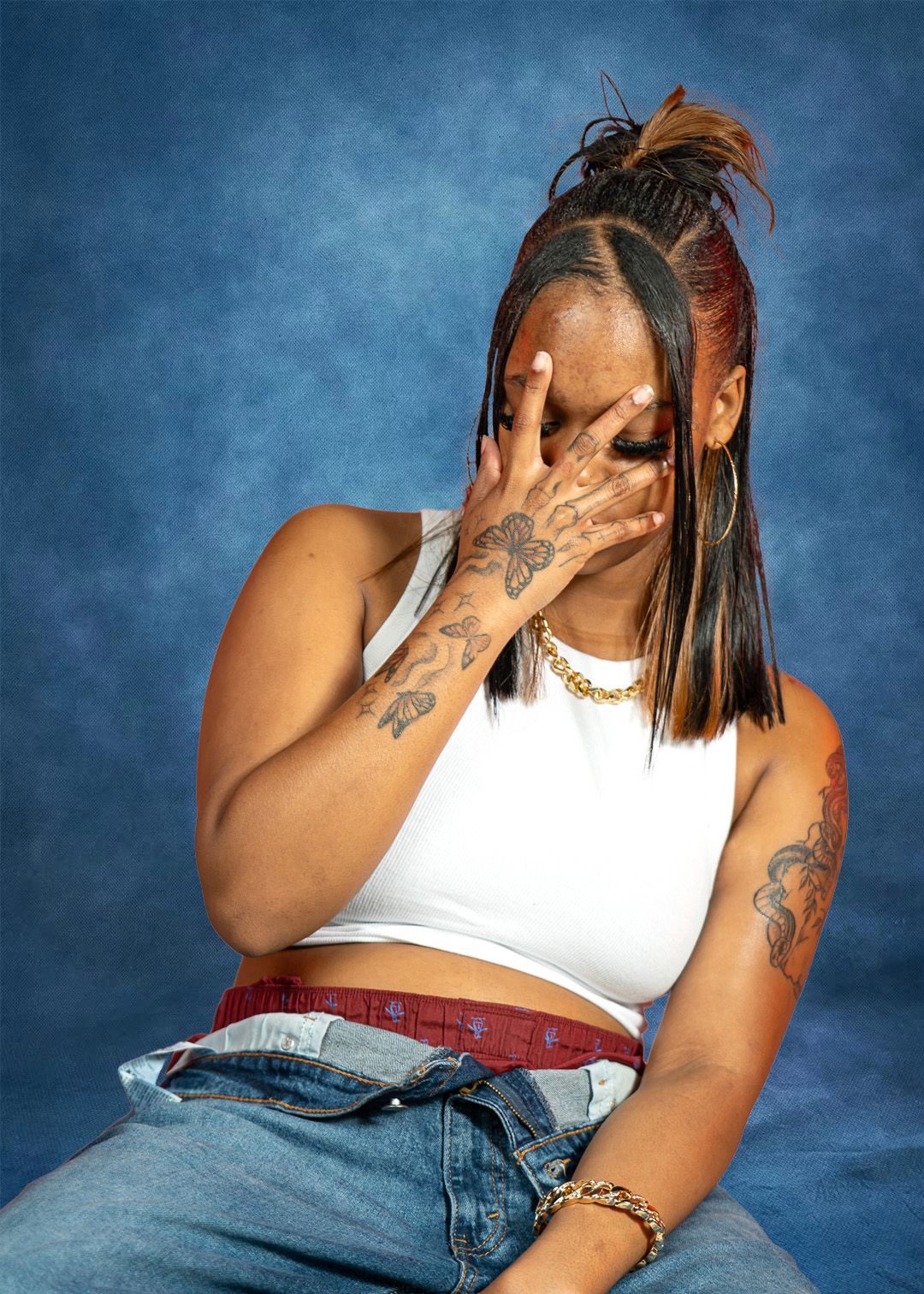
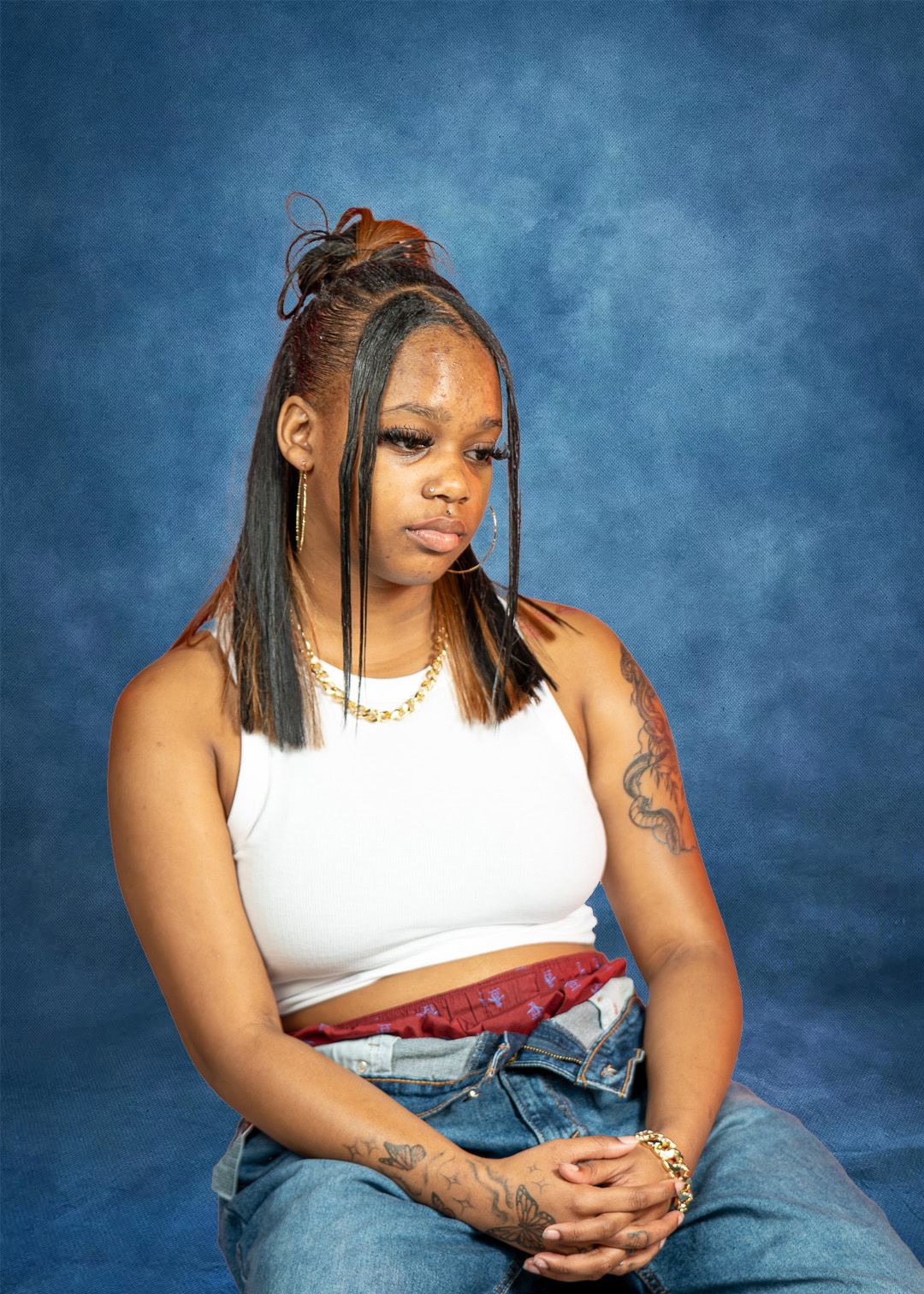
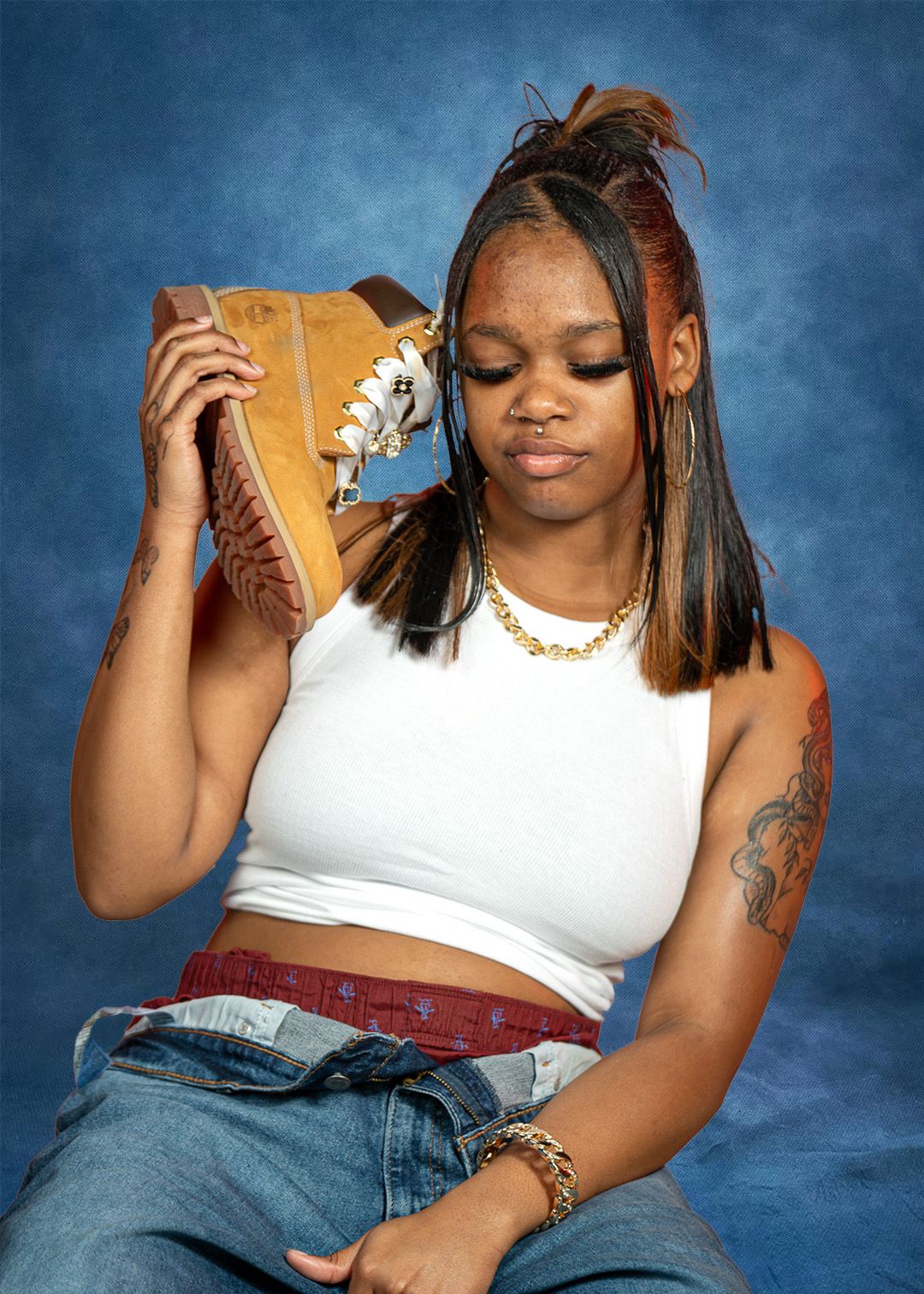
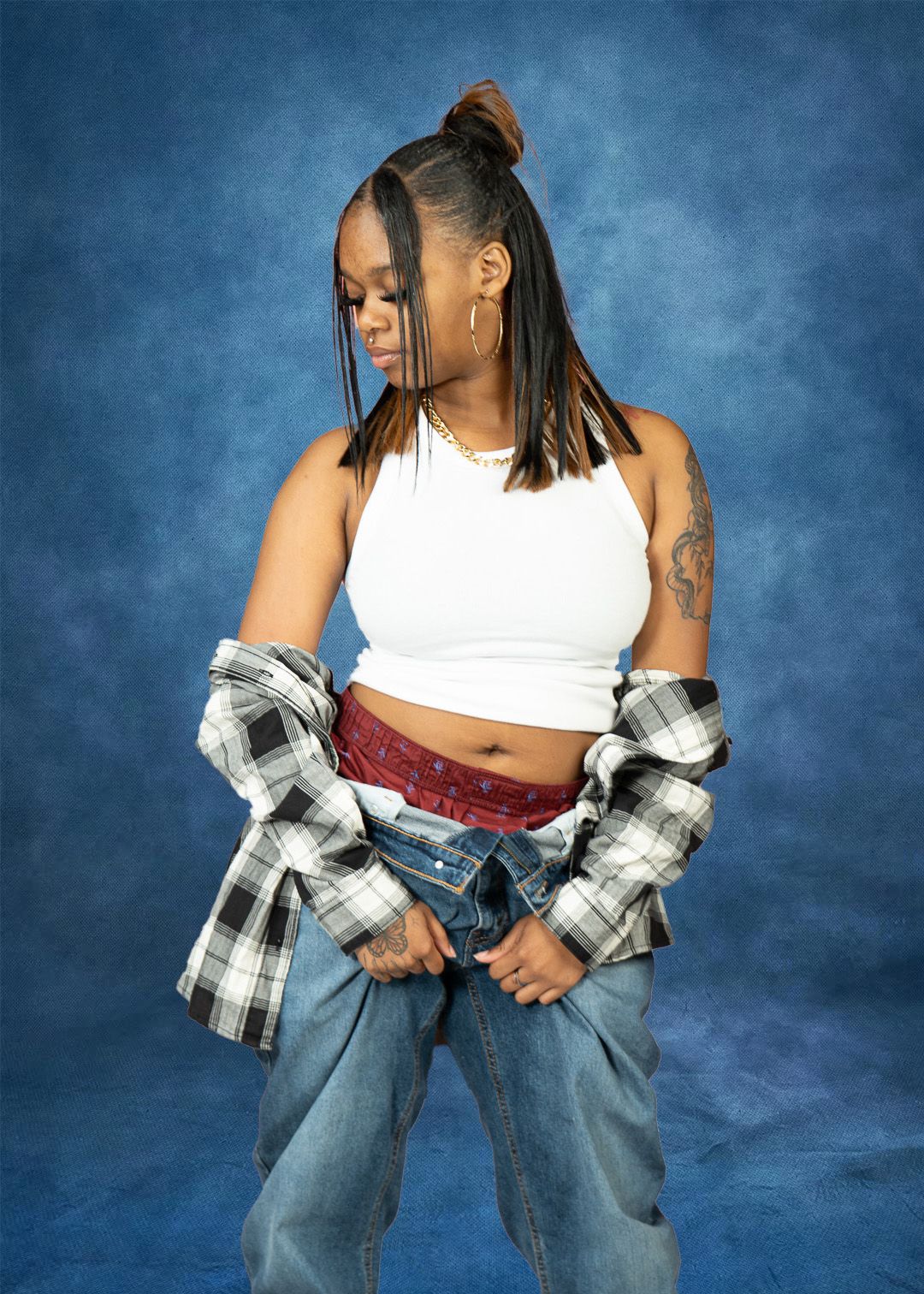
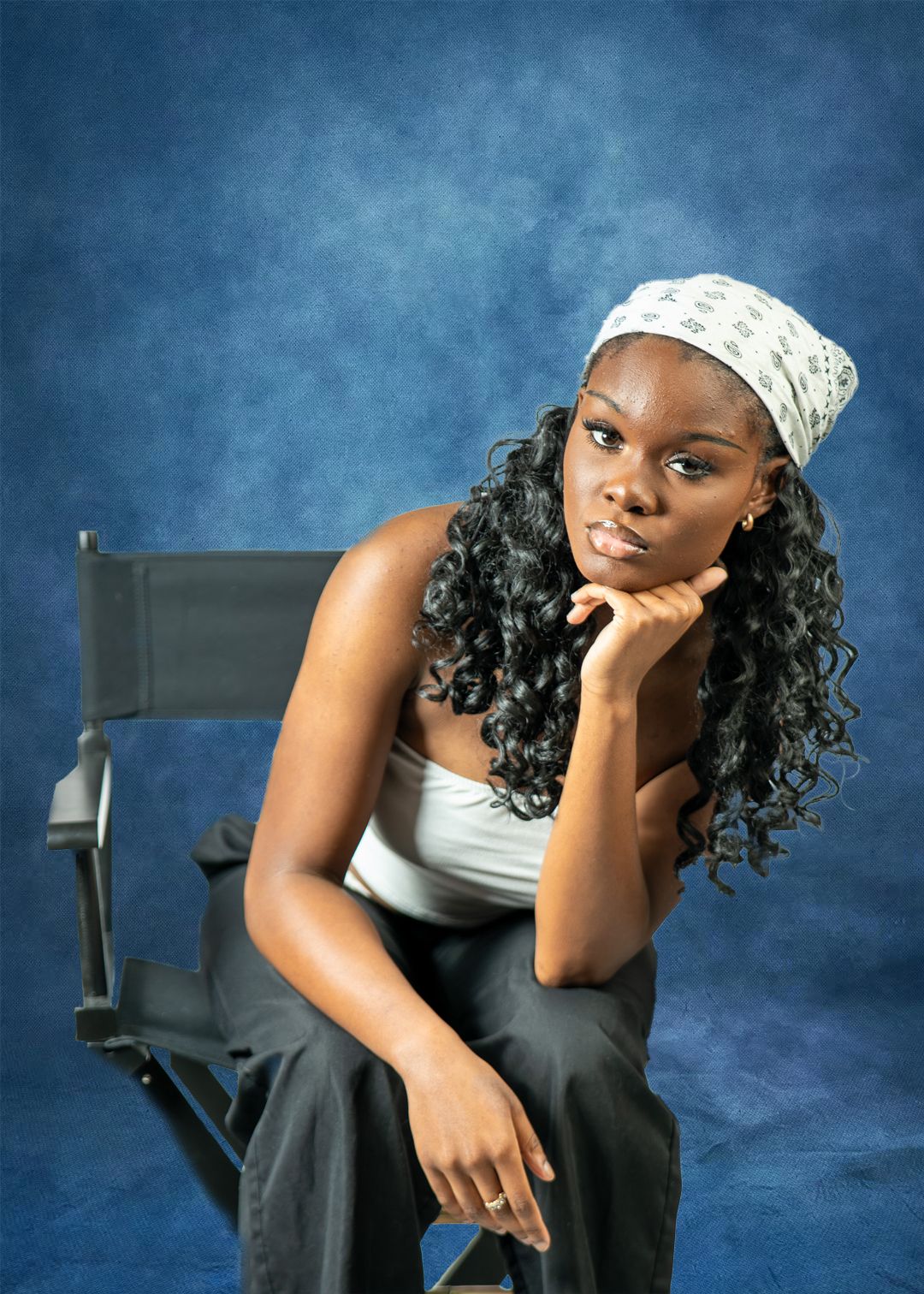
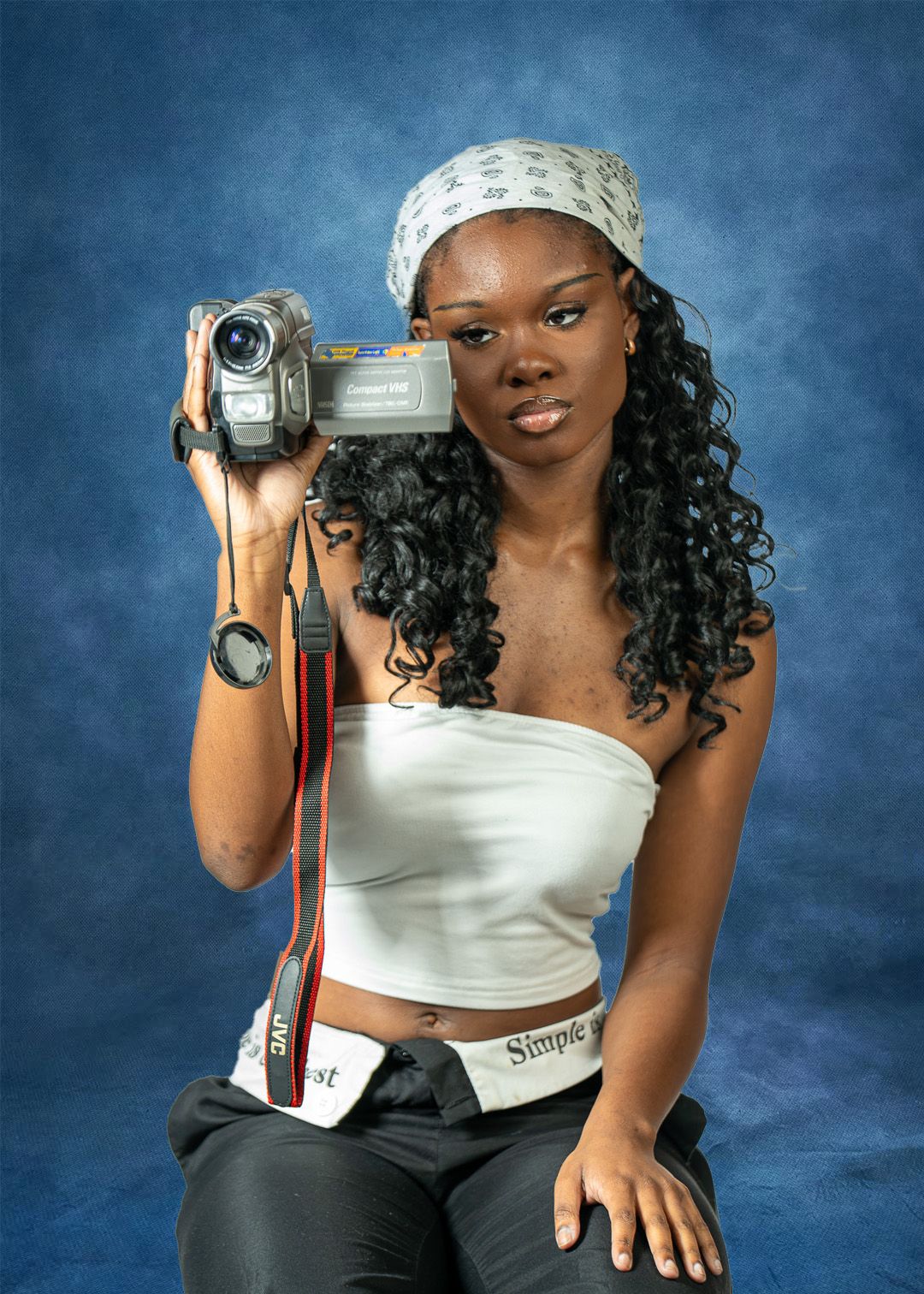
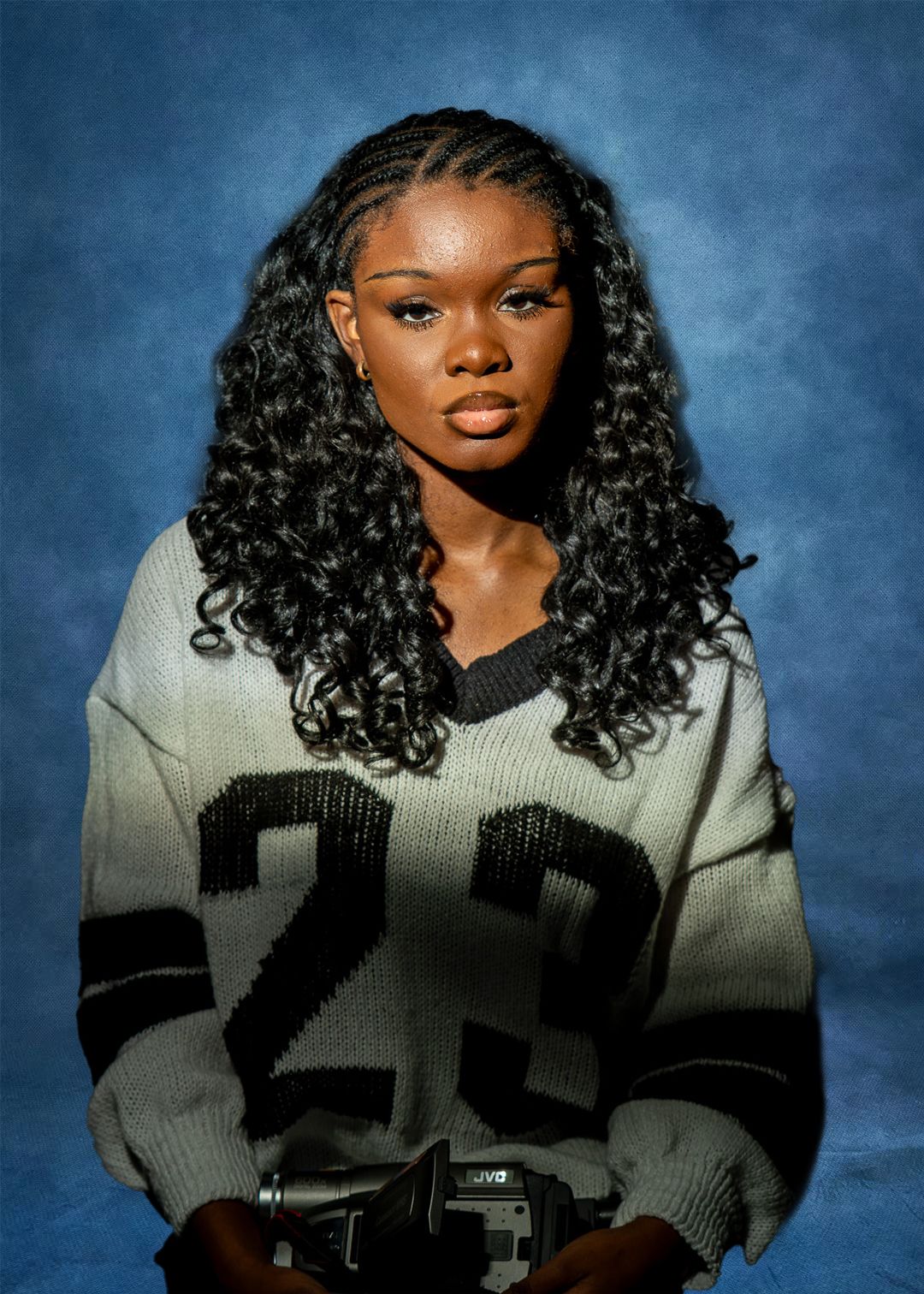
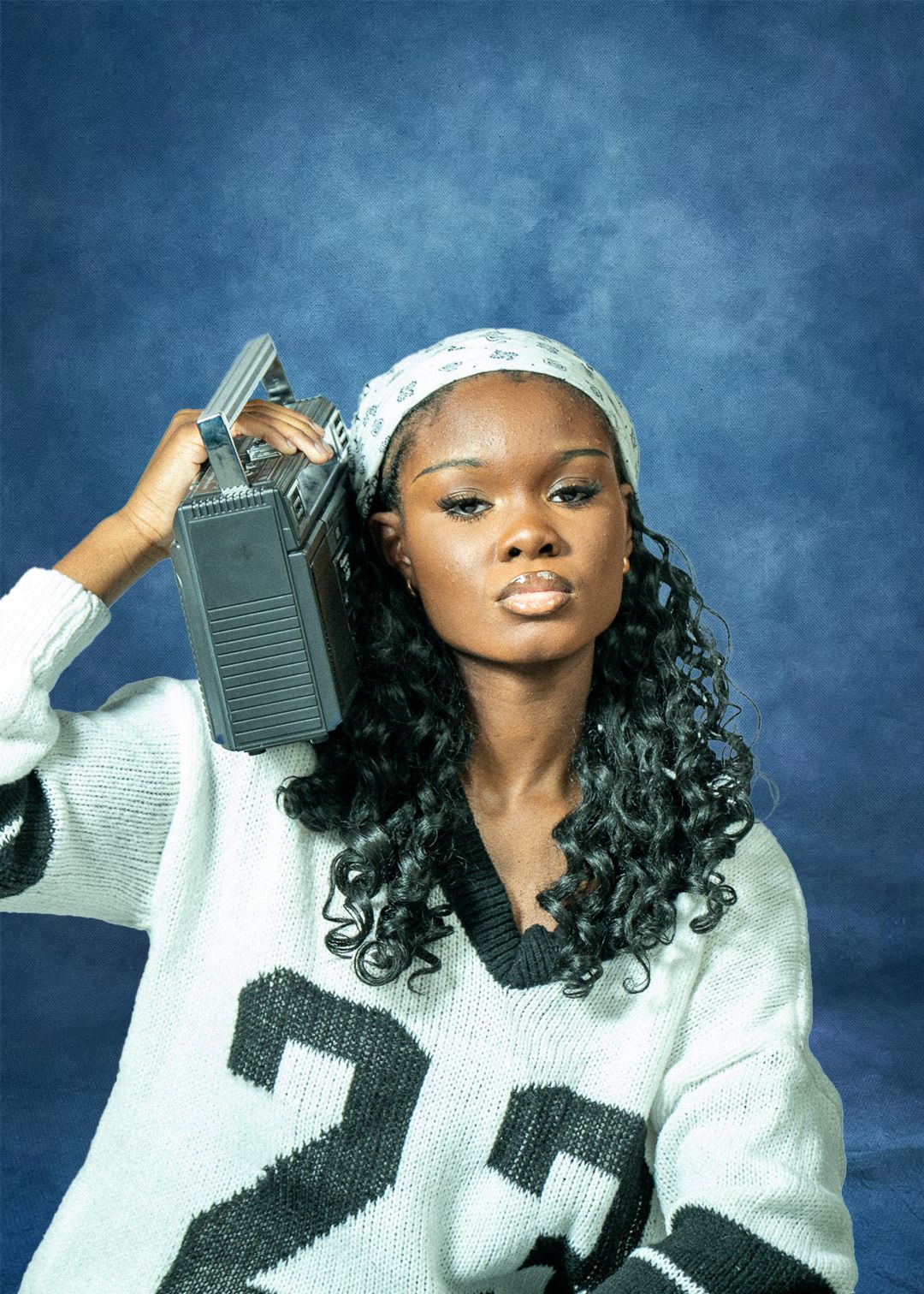
When placed the same props in front of each person to study this. Each item stayed the same. The person changed. Addison posed with confidence because she models often. Her first reactions looked practiced, not natural. Once she relaxed, her real expression came through. That showed how identity sits underneath trained habits. Nairobi reacted in a different way. She fit the 90s theme without effort. Her stance, her face, and the way she held each prop felt grounded. She couldn’t force anything because it looked unnatural. Her off guards were the best.
Neither of them knew the idea behind the project. The 90s objects helped with this process. They force you to interact with them. You hold them. You adjust them. You react to them. Like holding a shoe like a phone. These reactions show real personality and how someone moves, thinks, and carries themselves.
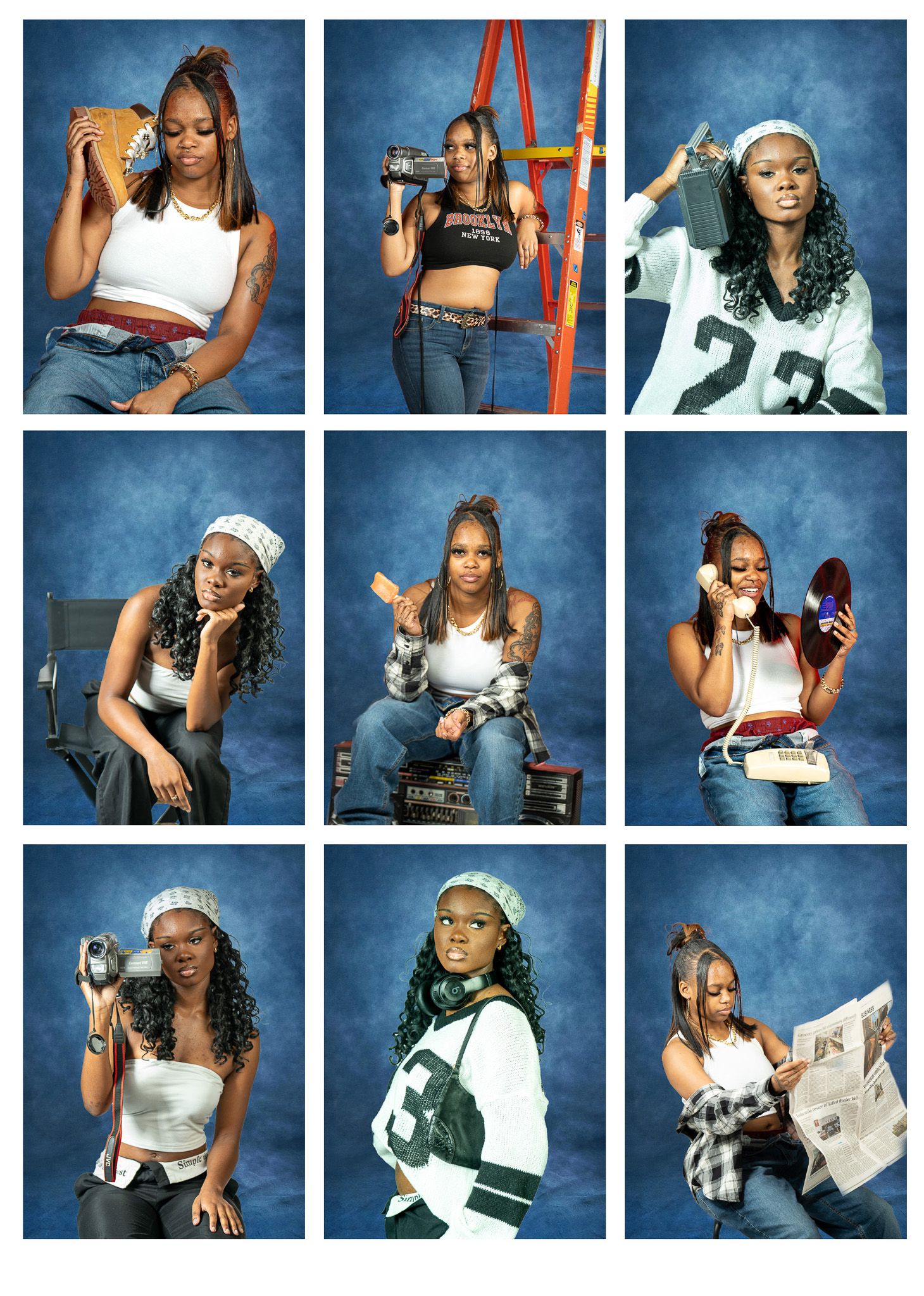
PROJECT STATEMENT FOR THE FLAUNT IT AWARD:
This project shows the opposite of hiding.
It highlights the small things people do that show who they are. The way they hold an object. The way they sit. The routines they follow. The styles they choose. These details reveal personality without the person needing to explain anything.
Each portrait uses everyday items, old and new. Cameras. Phones. Vinyl. Tools. Newspapers. Music gear. These objects show how people express themselves, stay connected, and shape their world. They hint at habits, interests, and influences that make each person stand out.
The project focuses on what it means to be human.
You see identity built from small actions.
You see individuality through posture, expression, and the things people reach for.
You see how people mix the past with the present to tell their story.
People are not defined by one thing.
People are a collection of pieces.
We all have parts of us that feel unseen or judged. We all learn to accept those parts over time.
“Pieces of Me”
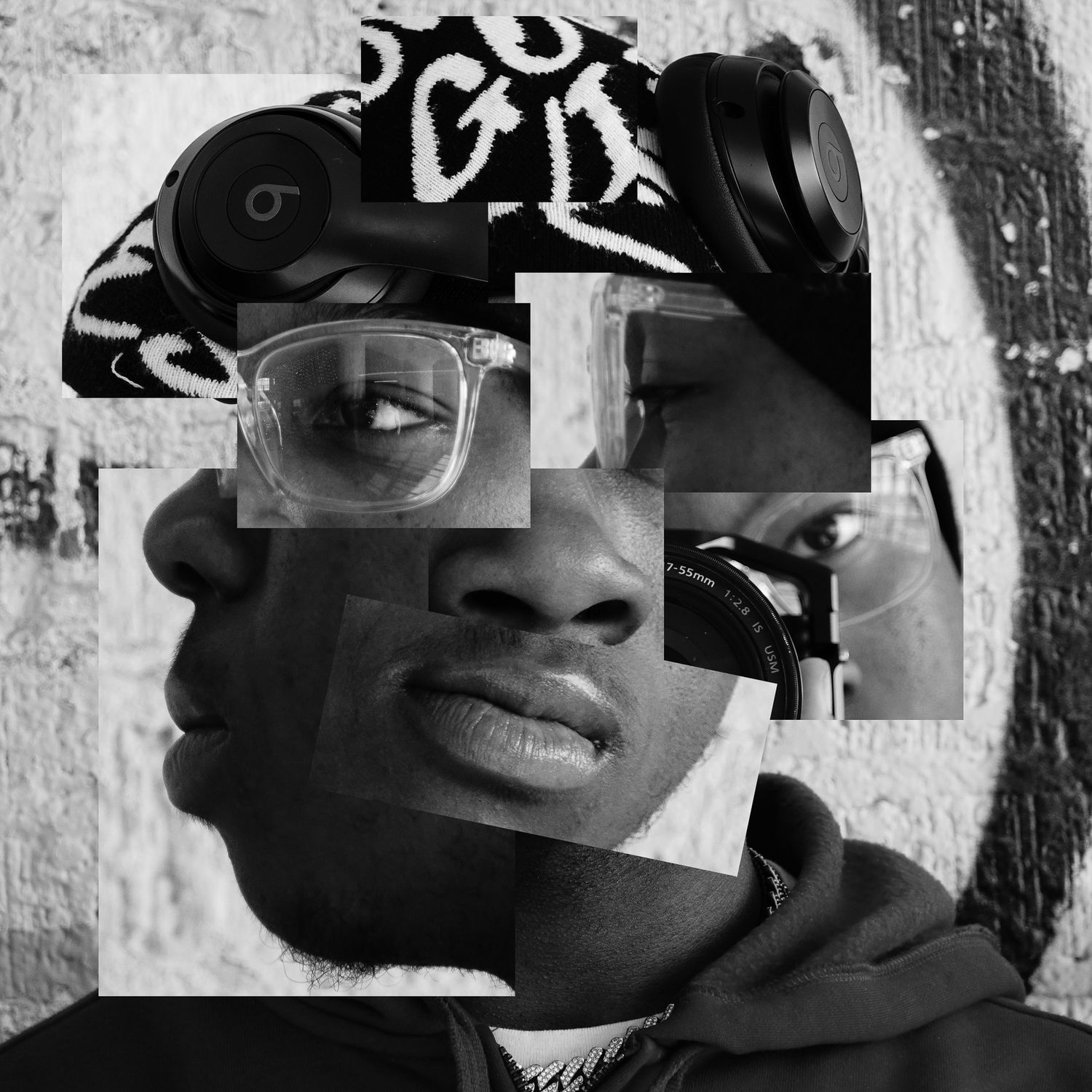
MySelf- Portraiture “Pieces of Me” represents how I see myself right now; disorganized, not fully put together, lost, and unmotivated. It’s not one clear image, but a collage of experiences, emotions, and perspectives. Each fragment reflects a part of who I am and who I was: the artist, the photographer, the creator. Every moment shapes the answer to the question, Who am I?
I used Self- Portraitures and digital layering to show that the things that make me different aren't flaws, they are pieces that make me Whole. I wanted to express individuality and imperfection is what makes our differences to shape our identities and define what it truly means to be human.
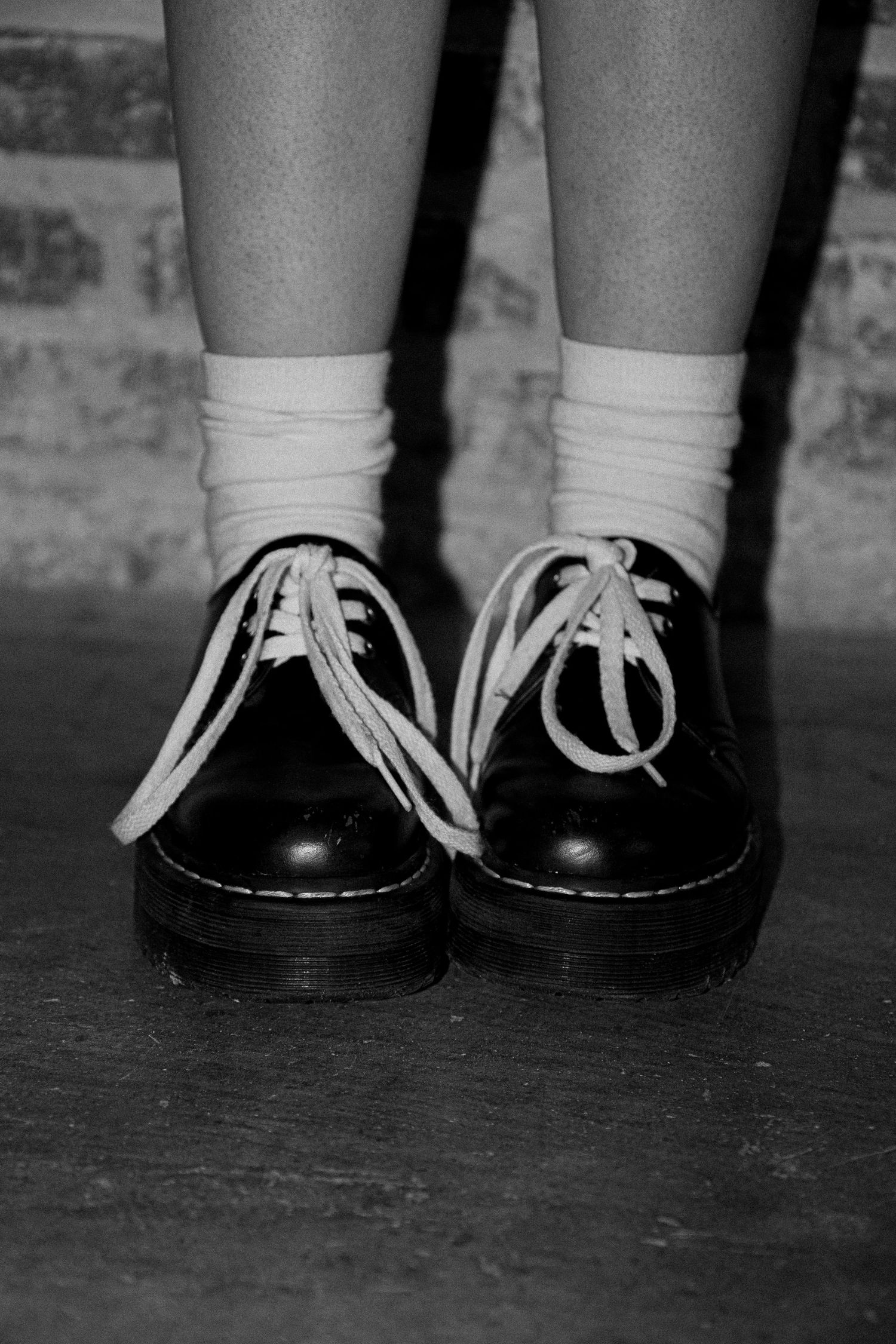
Stuck.
Scholastic Art and Writing Award Winning Photo
The laces are loose, but the weight isn’t heavy. Each step feels possible yet impossible at the same time. Maybe being stuck isn’t about the shoes, it's about the mind. Creativity doesn’t end at a roadblock; you just have to find a way around it or step over it.